

The date palm stands as one of humanity's oldest cultivated trees, with its fruit woven into the very fabric of ancient civilizations and sacred texts. For suppliers in the date industry, understanding this profound historical and spiritual significance adds depth to your product knowledge and provides powerful storytelling opportunities that can enhance your market positioning. The humble date appears repeatedly across millennia of human records, not merely as sustenance but as a symbol of life, prosperity, and divine blessing. This remarkable fruit has nourished bodies and souls across deserts and generations, creating a legacy that continues to influence how we value dates today.
Dates in Mesopotamian Civilizations
The earliest records of date cultivation emerge from ancient Mesopotamia, where the fruit featured prominently in daily life and mythology. Archaeological evidence from Sumerian sites dating back to 4000 BCE shows date stones and artistic depictions of date palms, indicating their established role in this early civilization. The Sumerians considered the date palm a sacred tree, often associating it with their deities and incorporating it into religious ceremonies. Cuneiform tablets detail sophisticated irrigation techniques developed specifically for date palm cultivation, demonstrating the fruit's agricultural importance. These ancient records also describe various date products including syrups, vinegars, and fermented beverages, showing remarkably advanced culinary uses that parallel modern applications.
Economic Importance in Ancient Trade
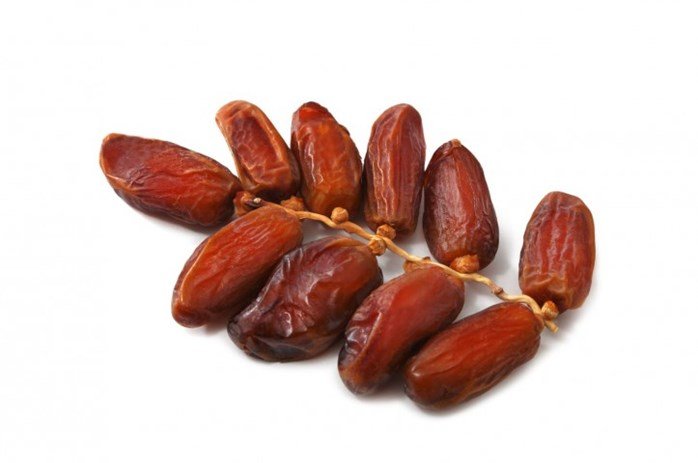
Dates formed a crucial component of ancient trade networks throughout the Middle East and Mediterranean regions. Their natural preservation properties made them ideal for long-distance trade, while their high nutritional value established them as a valuable commodity. Ancient records from Phoenician and Egyptian traders show dates being transported across desert routes and maritime networks, often serving as both cargo and provision for journeys. The fruit's durability and energy density made it perfect for sustaining caravans along the Silk Road and other ancient trade routes. This historical trade significance established patterns that would influence date distribution for centuries, creating economic foundations that modern suppliers continue to build upon.
Dates in Ancient Egyptian Culture
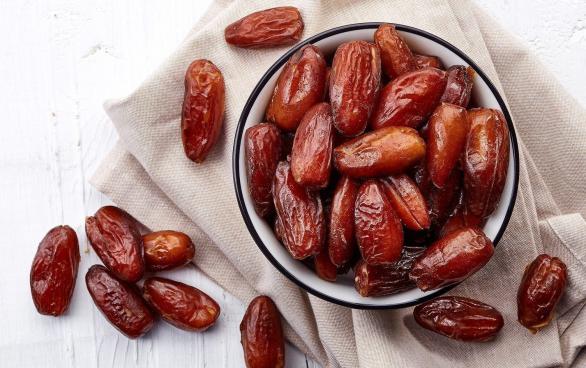
Ancient Egyptian civilization embraced the date palm as both practical sustenance and spiritual symbol. Hieroglyphics and tomb paintings frequently depict date palms and their fruit, often in religious contexts or as offerings to deities. The Egyptians developed advanced cultivation techniques, creating elaborate irrigation systems to support date groves in otherwise arid regions. Dates appeared in burial chambers, including Tutankhamun's tomb, where they were placed to nourish the pharaoh's journey to the afterlife. Medical papyri from ancient Egypt document dates being used in various remedies, highlighting their perceived healing properties. This integration of practical and spiritual value established a pattern that would repeat across multiple ancient cultures.
Symbolic Significance in Egyptian Mythology

The date palm held profound symbolic meaning in Egyptian mythology, often representing fertility, abundance, and eternal life. Several Egyptian deities associated with fertility and protection were depicted with date palms or their branches. The tree's ability to thrive in harsh desert conditions while producing abundant sweet fruit made it a powerful symbol of resilience and divine provision. Egyptian artwork frequently showed date palms growing alongside water sources, reinforcing their connection to life and sustenance in challenging environments. This symbolic importance elevated dates beyond mere food to become elements of cultural identity and spiritual expression.
Dates in Religious Scriptures
The date palm appears prominently in all three Abrahamic faiths, often mentioned in contexts that highlight its spiritual and practical significance. In the Jewish tradition, dates are among the seven species blessed in the Torah, described as growing in the Promised Land. The fruit features in various Jewish holidays and traditions, symbolizing sweetness and abundance. Ancient Jewish communities cultivated dates extensively, with historical records describing elaborate date orchards around Jericho and other settlements. The fruit's importance extended to economic life, with dates serving as both food source and trade commodity throughout Jewish history in the Middle East.
Christian References and Symbolism
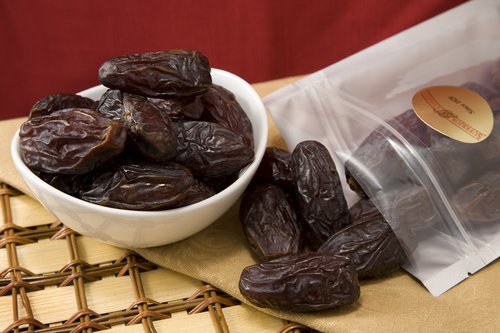
Christian scriptures and traditions also incorporate dates and date palms in significant ways. Palm Sunday commemorates Jesus' entry into Jerusalem, where crowds welcomed him with palm branches, traditionally understood to include date palm fronds. Early Christian art frequently used the date palm as a symbol of martyrdom and eternal life, particularly in catacomb paintings. Desert fathers and early Christian ascetics often sustained themselves on dates during periods of solitude and fasting, valuing their nutritional completeness and keeping qualities. This historical connection continues in some Christian traditions where dates remain associated with religious observances and spiritual practices.
Dates in Islamic Tradition
The date palm holds particularly distinguished status in Islamic tradition, mentioned more than twenty times in the Quran and frequently in the Hadith. The Quran describes dates as among the fruits of Paradise, and the Prophet Muhammad specifically recommended dates for breaking fasts and for their healing properties. Islamic tradition emphasizes the date palm's many uses, from its fruit to its fronds and fibers, considering it a complete gift. The fruit features prominently in Ramadan traditions, with many Muslims following the prophetic example of breaking their fast with dates and water. This deep religious significance continues to drive demand patterns that dates suppliers must understand and accommodate.
Historical Cultivation in Islamic Civilization
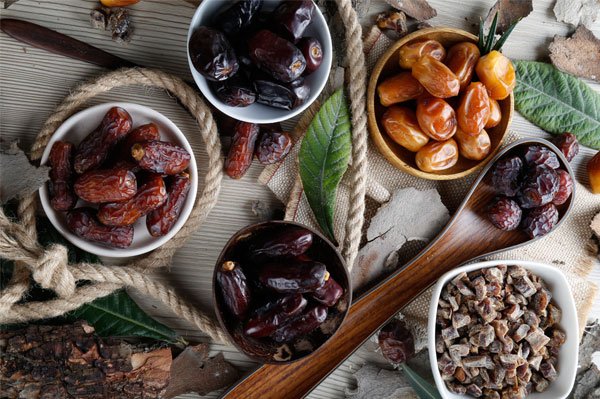
Islamic civilization advanced date cultivation significantly during its golden age, developing new varieties and improving agricultural techniques. Islamic scholars wrote detailed botanical treatises on date palms, documenting cultivation methods, varieties, and uses. The spread of Islam carried date cultivation across North Africa and into Spain, establishing new growing regions that remain important today. Islamic law provided specific guidelines for date palm cultivation and ownership, reflecting the tree's economic importance. Historical records from Islamic civilizations describe sophisticated date processing and storage methods, many of which informed later agricultural developments.
Dates in Ancient Persian Culture
Persian civilization developed a deep appreciation for dates, incorporating them into both daily life and royal traditions. Ancient Persian records describe extensive date orchards in regions with suitable climate, with the fruit appearing in royal accounts and culinary descriptions. Persian medicine valued dates for their nutritional and supposed medicinal properties, incorporating them into various preparations. The date palm featured in Persian art and architecture, with its form inspiring decorative elements in carpets, tiles, and structural designs. Persian cuisine developed numerous date-based dishes and sweets, many of which evolved into contemporary recipes still enjoyed today.
Trade and Economic Impact

Dates formed an important part of ancient Persian trade networks, both within the extensive Persian Empire and with neighboring regions. The fruit's value as a durable, energy-rich food made it ideal for provisioning armies and supplying distant settlements. Persian agricultural manuals detailed advanced date cultivation techniques, including pollination methods and irrigation systems that maximized production. The economic importance of dates supported entire communities in date-growing regions, creating specialized knowledge that passed through generations. This historical economic role established patterns that continue to influence date production and distribution in these regions today.
Archaeological Evidence of Date Consumption
Archaeological findings provide tangible evidence of dates' ancient importance across multiple civilizations. Excavations at sites like Masada in Israel revealed date stores preserved for nearly two thousand years, demonstrating the fruit's remarkable keeping qualities. Analysis of dental calculus from ancient skeletons shows date consumption patterns across different social classes and time periods. Preserved date seeds from archaeological contexts allow researchers to study ancient date varieties and trace cultivation developments. These physical remains complement written records, providing a more complete picture of how ancient peoples valued and utilized dates in their daily lives and special occasions.
Cultural Exchange Through Dates
The spread of date cultivation tells a story of cultural exchange and adaptation across ancient civilizations. As trade routes expanded and empires grew, date palms traveled with merchants, settlers, and conquerors. Each culture that adopted date cultivation adapted techniques to their local conditions and incorporated dates into their unique culinary traditions. This exchange created the diverse range of date varieties and uses we know today, while establishing the fruit as a cross-cultural symbol of hospitality and sustenance. The historical movement of date cultivation patterns informs modern understanding of agricultural diffusion and cultural interaction across regions and eras. Kurma online is your platform to experience good shopping.
Modern Implications of Ancient Traditions

The historical and spiritual significance of dates continues to influence modern consumption patterns and market dynamics. Religious observances still drive seasonal demand spikes that suppliers must anticipate. Cultural traditions surrounding dates create opportunities for specialty marketing and product positioning. The ancient recognition of dates' nutritional benefits aligns with modern health trends, providing natural marketing advantages. Suppliers who understand these historical connections can better serve diverse market segments and develop products that resonate with both traditional and contemporary consumers. The enduring legacy of dates' ancient importance represents both responsibility and opportunity for today's industry participants.
Preserving Ancient Varieties and Knowledge
Modern date cultivation benefits from preserving ancient varieties and traditional knowledge that might otherwise be lost. Some growers maintain heirloom date varieties documented in ancient texts, preserving genetic diversity and historical continuity. Traditional cultivation techniques, adapted over centuries, often prove sustainable and well-suited to local conditions. The historical uses of dates inspire contemporary product development while maintaining connection to cultural heritage. This preservation effort represents a collaboration between historians, archaeologists, agricultural specialists, and growers who recognize the value of maintaining living connections to ancient practices and plant varieties.
The profound historical journey of dates from ancient orchards to modern tables represents more than agricultural history—it reflects humanity's enduring relationship with nature's bounty. For suppliers, this rich heritage provides context that elevates dates from mere commodity to cultural treasure. Understanding how ancient civilizations valued and utilized dates enhances appreciation for this remarkable fruit and informs contemporary business practices. The next time you handle dates in your business operations, remember that you're participating in a chain of cultivation, trade, and consumption that stretches back through millennia of human history, connecting modern commerce with ancient traditions.